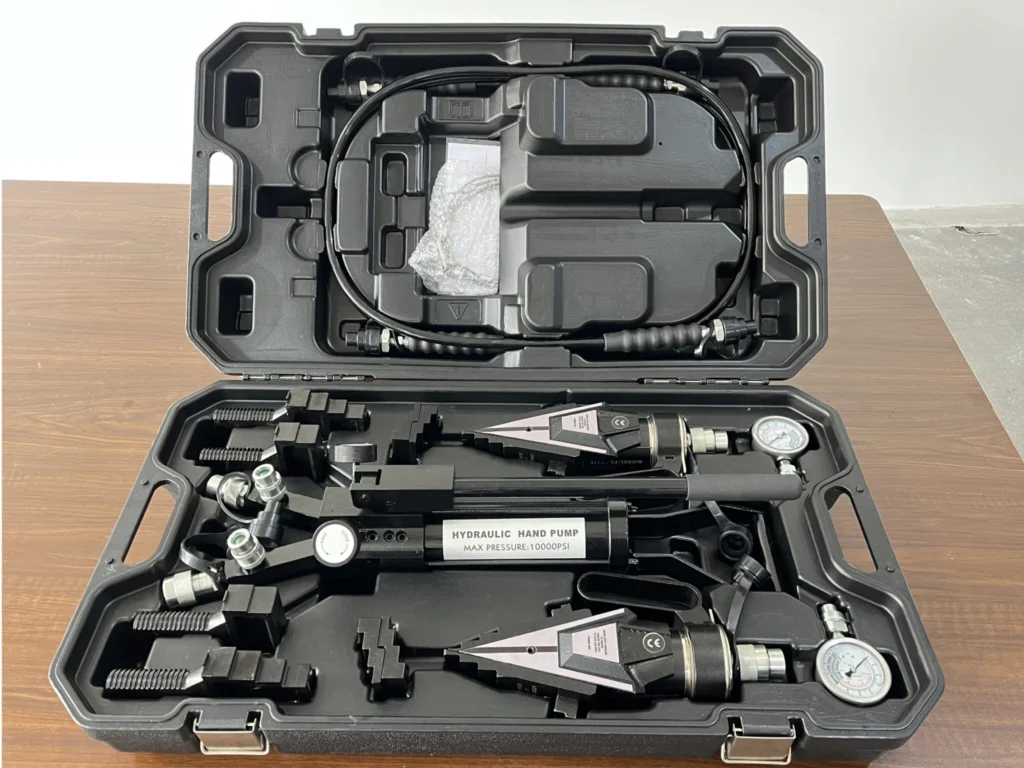
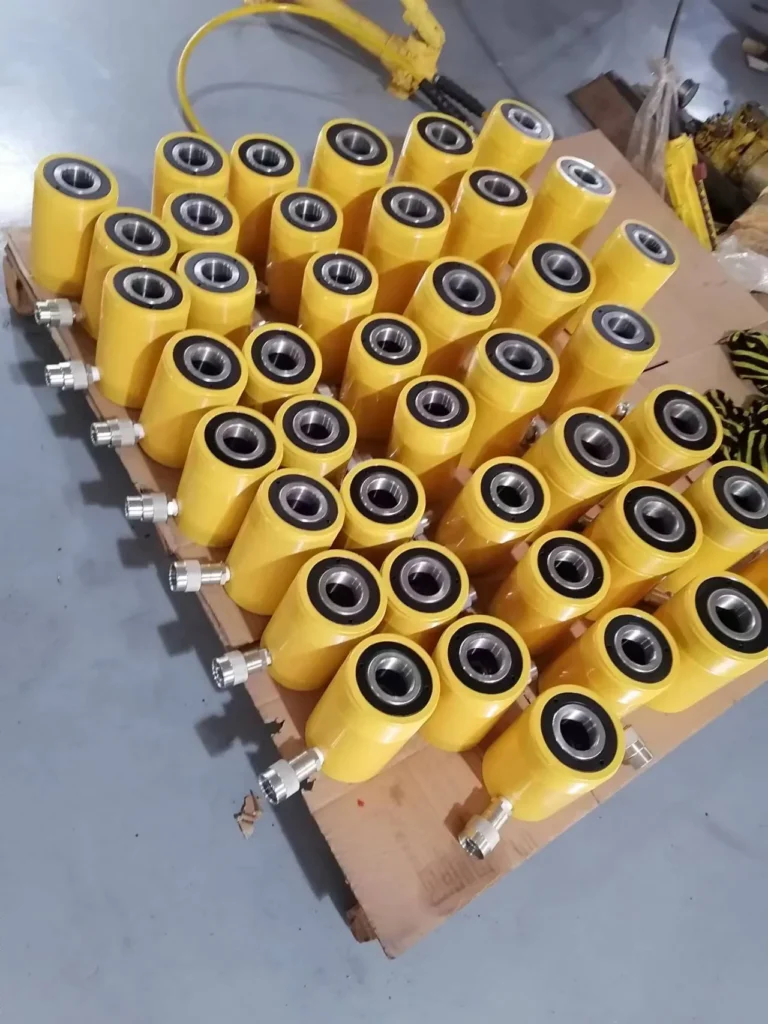
Leaking hydraulic cylinders can be a nuisance to the average homeowner or professional. Left unchecked, they can lead to lost efficiency, higher maintenance costs, and even serious system damage. Fortunately, repairing a leaking hydraulic cylinder is usually a simple process if you have the right tools and knowledge. This article will provide a comprehensive guide on how to identify the source of a leak, the materials needed, and how to properly repair a hydraulic cylinder.
Safety measures
Firstly, before attempting to repair a leak in a hydraulic cylinder, it is important to ensure that you follow all necessary safety measures. This includes wearing protective gear such as gloves and goggles, ensuring that the machine is turned off and disconnected from the power source, and releasing any pressure in the system.
Identify the source of the leak
The first step in repairing a leaking hydraulic cylinder is to determine the source of the problem. The leak may be caused by a damaged seal, which can be identified by oil residue around the seal area. If this is the case, the seal will usually need to be replaced. Another potential cause of a leak is a damaged piston rod or cylinder barrel. A visual inspection can help identify any scratches or dents that could cause a leak.
It is important to note that identifying the source of a leak may not always be simple. Some leaks are caused by multiple issues at once, and it may take some troubleshooting to determine what needs to be fixed. In these cases, a professional with experience in hydraulic systems may need to step in and diagnose and repair the problem.
Overall, identifying and repairing the source of the leak is an important part of repairing a leaking hydraulic cylinder. By addressing the problem promptly and accurately, you can avoid further damage to your machine and ensure it continues to run smoothly for years to come.
Disassembling the cylinder
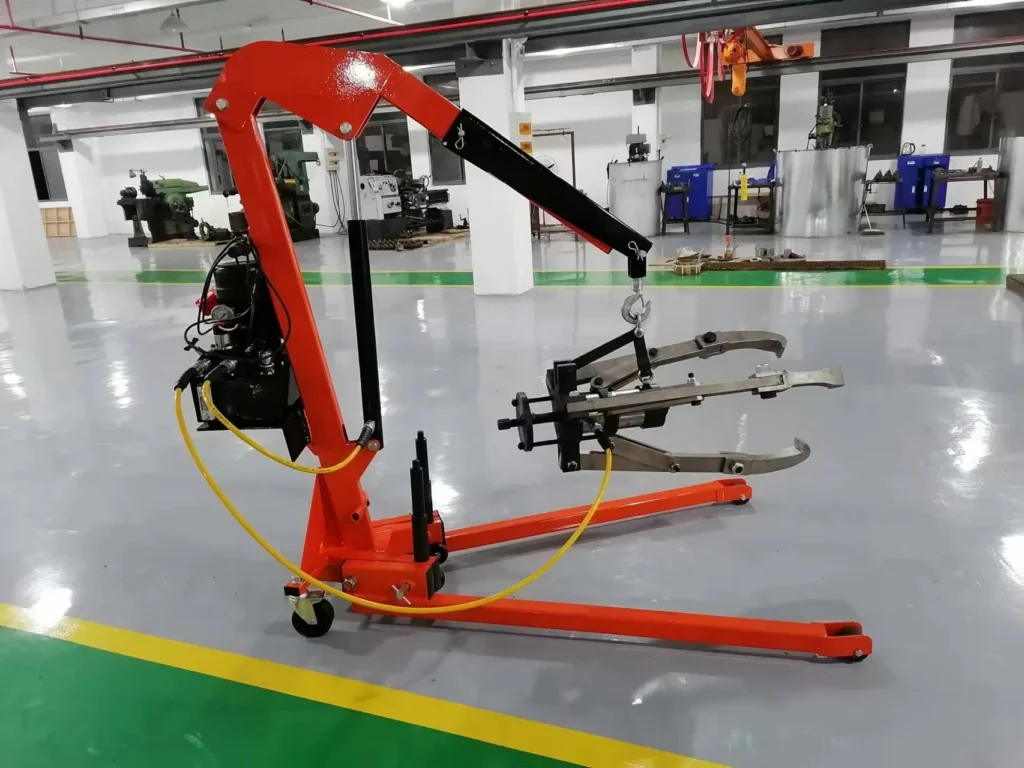
Removing the cylinder from your hydraulic system can be a difficult task, but it is necessary if you want to repair a leaking cylinder. Before removing the cylinder, make sure you have all the necessary tools and equipment. If the cylinder is too heavy to lift manually, you will need wrenches, pliers, a socket set, and possibly a crane.
The first step in removing a cylinder is to locate it in the hydraulic system. Once you have found it, close all valves going in and out of the cylinder. This will prevent any fluid from leaking out while you are removing hoses or fittings.
Next, use a wrench or pliers to disconnect any hoses or fittings connected to the cylinder. Be sure to place a container under the hoses to catch any remaining fluid that may come out during disconnection. Once all hoses are disconnected, use a socket wrench or spanner to remove any bolts holding the cylinder in place.
Once all bolts are removed, carefully lift the cylinder from its position in the hydraulic system and remove it. Be sure not to damage any surrounding components while doing this. Now that you have removed the leaking hydraulic cylinder from the system, it's time to repair it!
Cleaning and replacing parts
A common cause of hydraulic cylinder leaks is damaged or worn seals. To fix this problem, you must thoroughly clean the affected components and remove the damaged seals. After removing the damaged seals, also inspect the piston rod for signs of damage or wear.
Once you have verified that the piston rod is not damaged, replace it with a new one. Before installation, ensure all surfaces are free of dust or debris, which may further damage your equipment.
Once you have ensured everything is clean and in good condition, carefully install the new seal into the groove on the cylinder using an O-ring tool. Apply some lubricant to both sides of the seal before reinstalling it into its original position. Once completed, test your unit to confirm if there is still a leak. Repeat these steps if necessary until you have successfully completed the repair job.
Reinstall the cylinder
First, start by removing the hydraulic cylinder from the equipment. Once removed, clean the cylinder and inspect it for any visible damage or wear. If there is significant damage or wear, the entire cylinder may need to be replaced. However, if the damage is minor, you can reinstall the cylinder with a new seal to fix the leak.
Before reinstalling, be sure to lubricate all o-rings and seals with a compatible lubricant to ensure a proper seal and prevent future leaks. Make sure all bolts are properly tightened to avoid further leaks.
When installing new seals or O-rings, make sure they are installed in the correct position and orientation as specified by the manufacturer. Improper installation can cause premature seal failure, resulting in further leakage.
Overall, reinstalling a hydraulic cylinder requires patience and attention to detail. It is important not to rush the process, as small mistakes can lead to big problems in the future.
Conclusion: Maintenance Tips
In summary, regular maintenance is essential to keeping your hydraulic cylinders in top condition. One important tip for maintaining your hydraulic system is to regularly check and replace the hydraulic fluid. Hydraulic fluid is the lifeblood of your system and can cause serious damage if it becomes contaminated or degrades over time. Always use the manufacturer's recommended fluid and follow their replacement interval guidelines.
Another important maintenance tip is to regularly inspect all parts of your hydraulic system. Check for any signs of wear or damage, such as leaks in hoses and loose fittings or cracks. If you notice any problems, address them immediately before they become larger issues that could cause downtime.
Finally, keep a log of scheduled maintenance tasks and repairs completed on your hydraulic cylinders. This way, you can track when a specific part was last serviced or replaced and plan future maintenance needs accordingly. By incorporating these simple tips into your daily maintenance routine, you can ensure that your hydraulic cylinders continue to perform at their best and minimize downtime due to unexpected failures or malfunctions.